
The Technology Behind Modern Supply Chains
When people order a product online and receive it within a short period, the process behind that delivery can be surprisingly complex. Products may travel through warehouses, transportation networks, distribution centers, and local delivery systems before reaching their final destination.
Technology plays an important role in coordinating these moving parts and helping businesses manage modern supply chains.
From Production to Delivery
A product’s journey can involve multiple stages. Raw materials may come from one location, manufacturing may happen somewhere else, and finished products can then move through several distribution points.
Digital systems help organizations track these stages and maintain information about inventory, shipments, orders, and delivery schedules.
The Role of Inventory Technology
Keeping the right amount of stock is a major challenge for businesses. Too much inventory can increase storage costs, while too little can create shortages.
Inventory management software can help businesses monitor available products and identify patterns in demand. This allows organizations to make more informed decisions about purchasing and storage.
See also: technewsoutlets.com usa || technewsoutlets.com
Tracking Products Across Locations
Modern tracking technologies can provide information about where shipments are and how they are moving through a distribution network.
For businesses, this information can improve visibility. For customers, tracking systems can provide updates about an order’s progress and expected arrival.
Technology in Warehouses
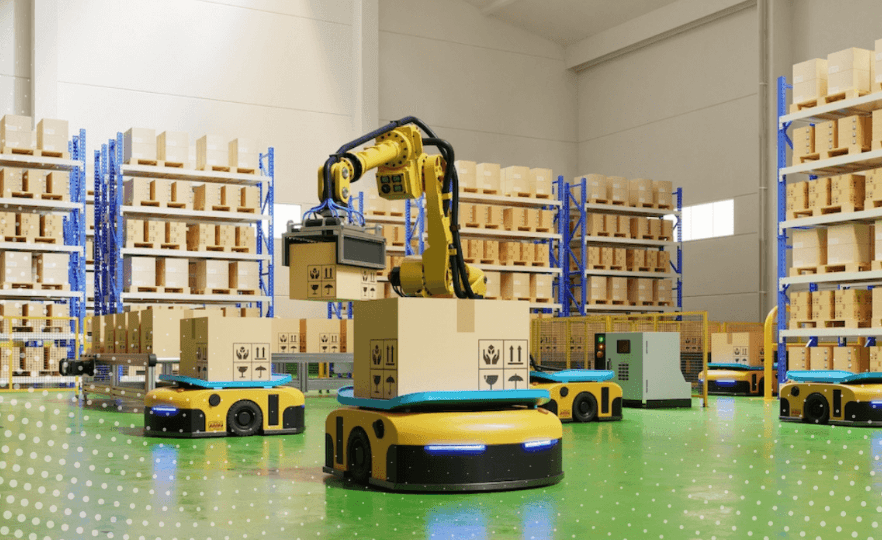
Warehouses are becoming increasingly technology-driven. Barcode scanners, automated sorting systems, digital inventory platforms, and other tools can help workers organize large quantities of products.
In some environments, automation is also used for repetitive tasks, allowing human workers to focus on activities that require judgment or coordination.
Improving Transportation Planning
Transportation is another area where technology can support efficiency. Digital systems can help businesses organize delivery schedules, monitor vehicles, manage routes, and coordinate shipments.
Better planning can reduce unnecessary delays and help organizations respond more quickly when conditions change.
Challenges of Digital Supply Chains
Technology can improve visibility and coordination, but it also creates challenges. Businesses may need to manage system reliability, employee training, data accuracy, integration between different platforms, and the costs associated with upgrading infrastructure.
A sophisticated system is only useful when the information it provides is accurate and the people using it understand how to work with it.
Final Thoughts
Technology has transformed supply chains from largely manual networks into increasingly connected systems. Inventory platforms, tracking tools, warehouse technology, and transportation software can help businesses coordinate complex operations more effectively. As global commerce continues to evolve, technology will remain an important part of how products move from producers to consumers.
2 Comments